Research & Planning
Initial Assessment
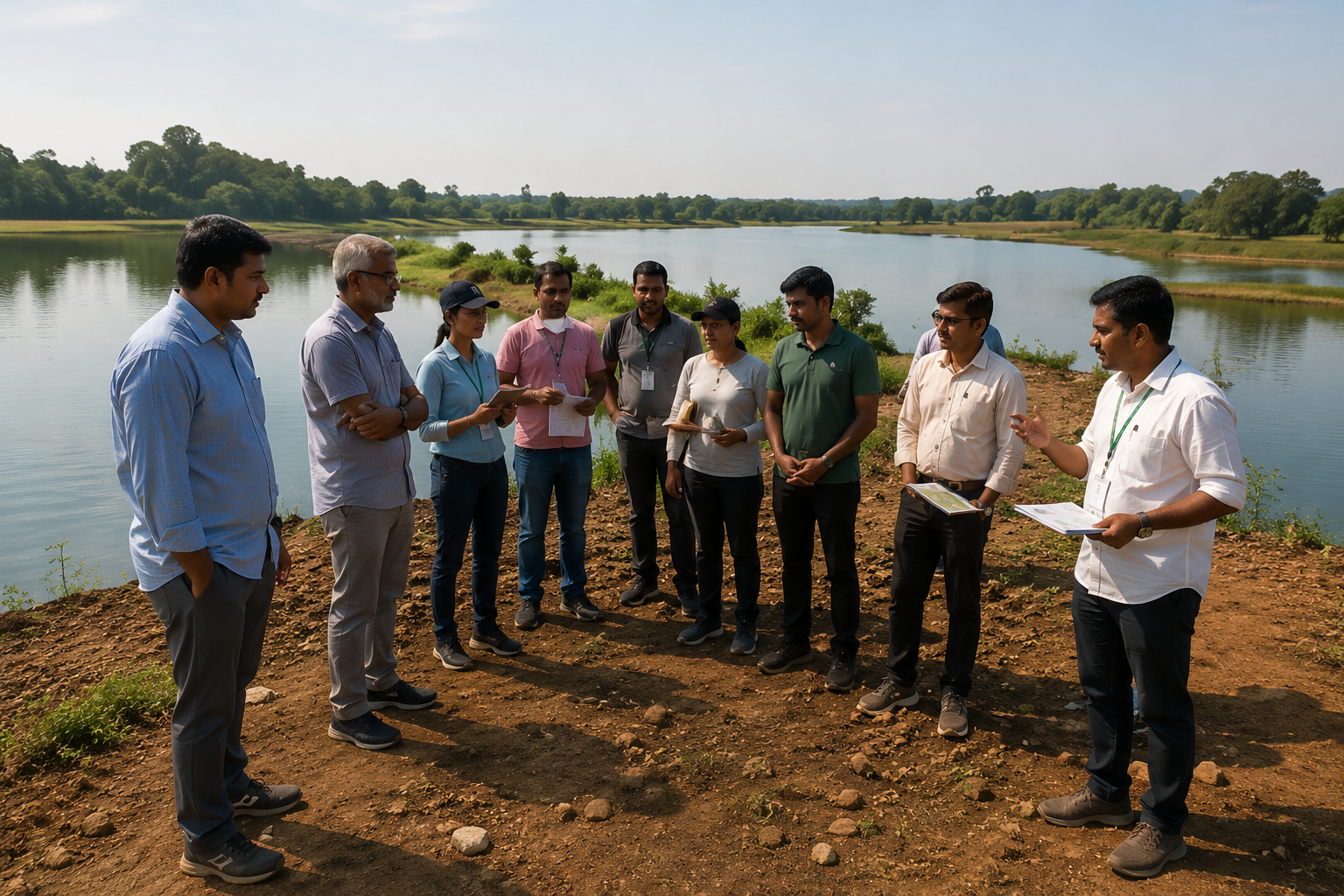
Visits to other rejuvenated lakes, consultations with experts, and detailed studies on groundwater, water needs, and sustainability.
A community-led environmental restoration initiative dedicated to reviving Sadahalli Lake and restoring the ecological balance of the region for a sustainable tomorrow.
Mission Sadahalli Lake was launched with the vision of reviving the historic Sadahalli Lake and benefiting nearly nine neighbouring villages through improved water conservation, ecological balance, support for biodiversity, animal life, and migratory birds, while strengthening the overall environmental health of the region.
January 2020 – January 2024
Initial Assessment
Visits to other rejuvenated lakes, consultations with experts, and detailed studies on groundwater, water needs, and sustainability.
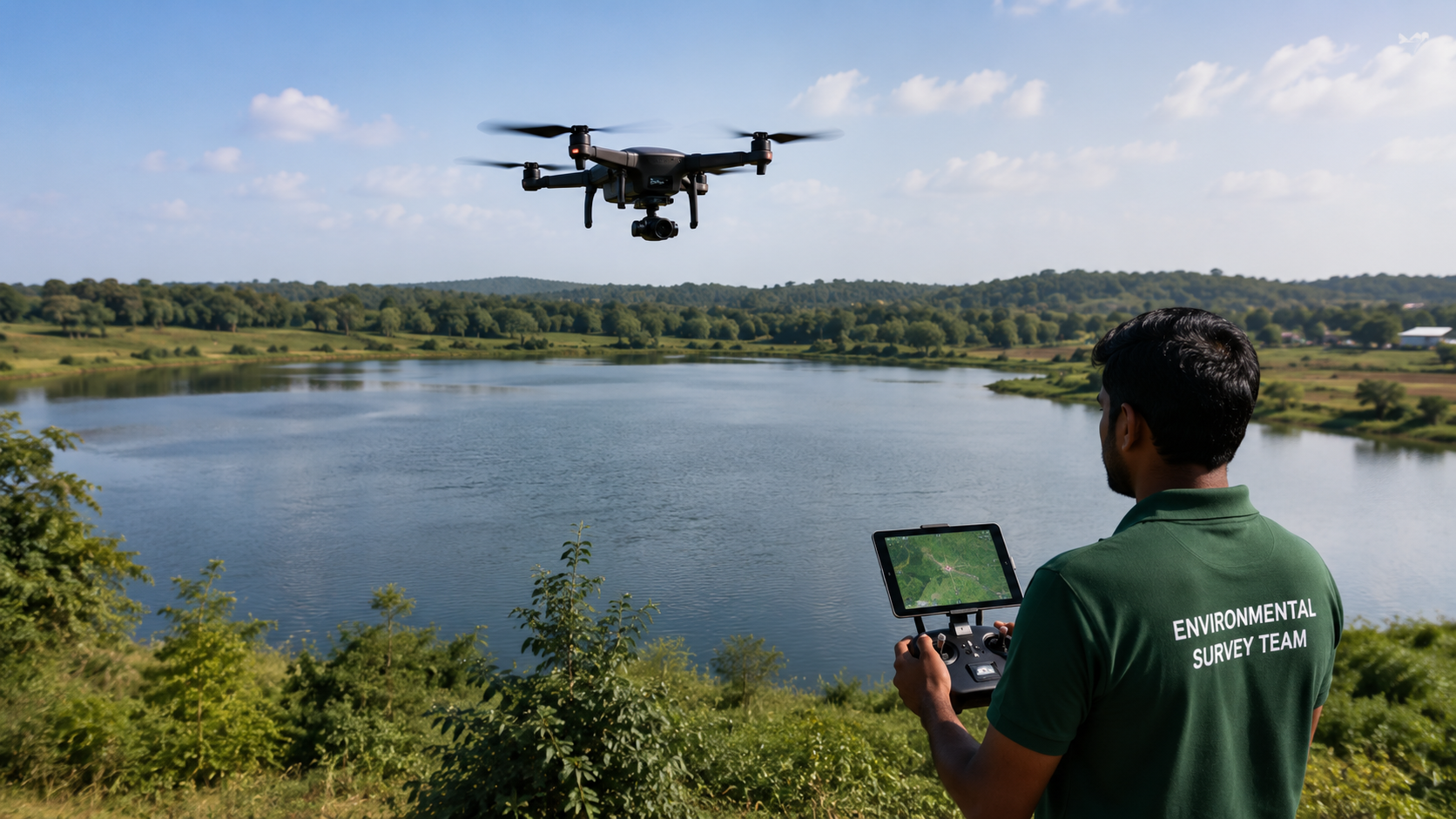
Technical Survey
Drone survey to map the lake, followed by the official launch with community leaders, residents, and environmental enthusiasts.
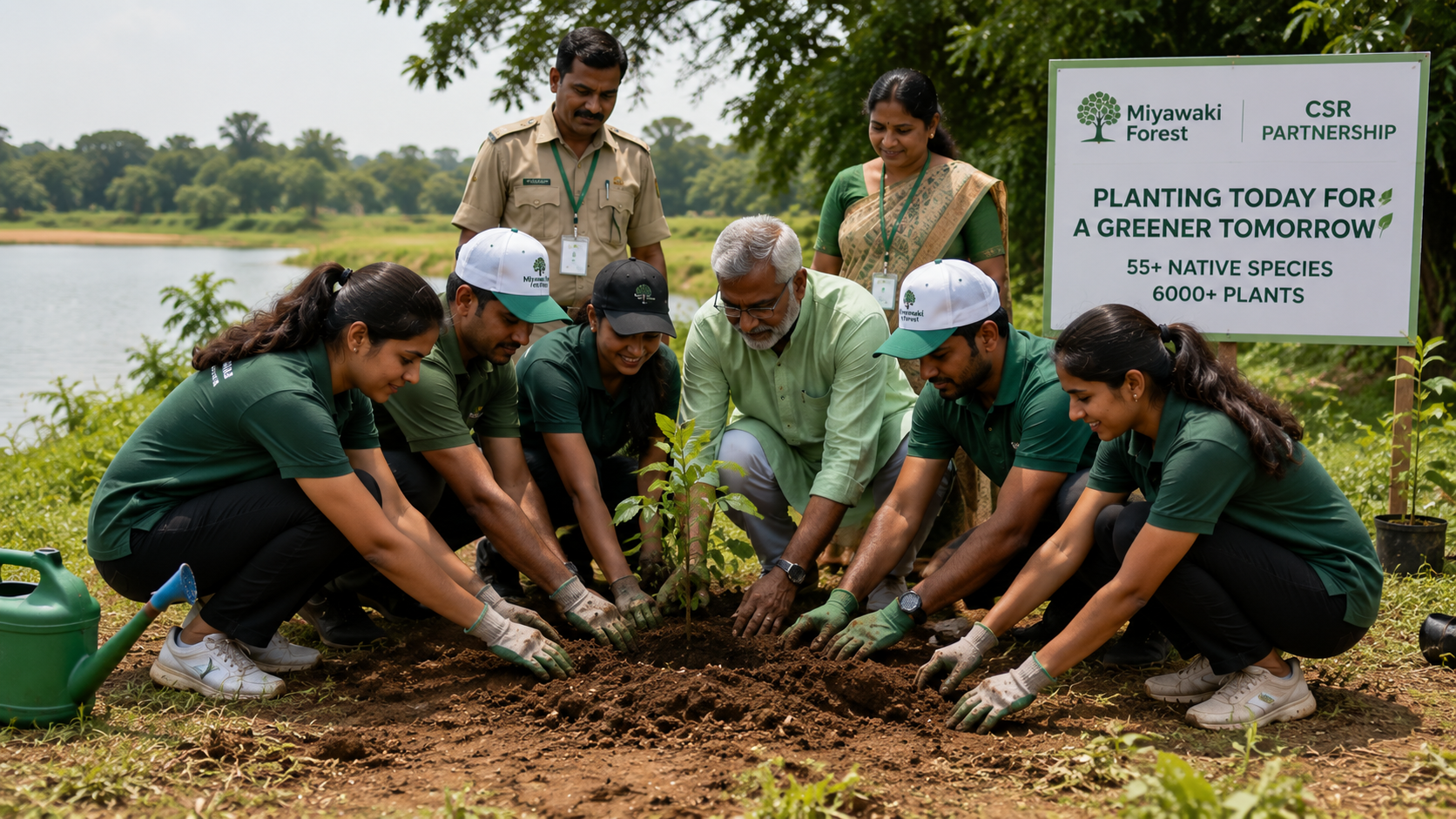
Green Partnership
Collaboration with the Government under the PPP model, with CSR support for Miyawaki Forest plantation of 55+ native species and 6,000+ plants.
Lake Rejuvenation
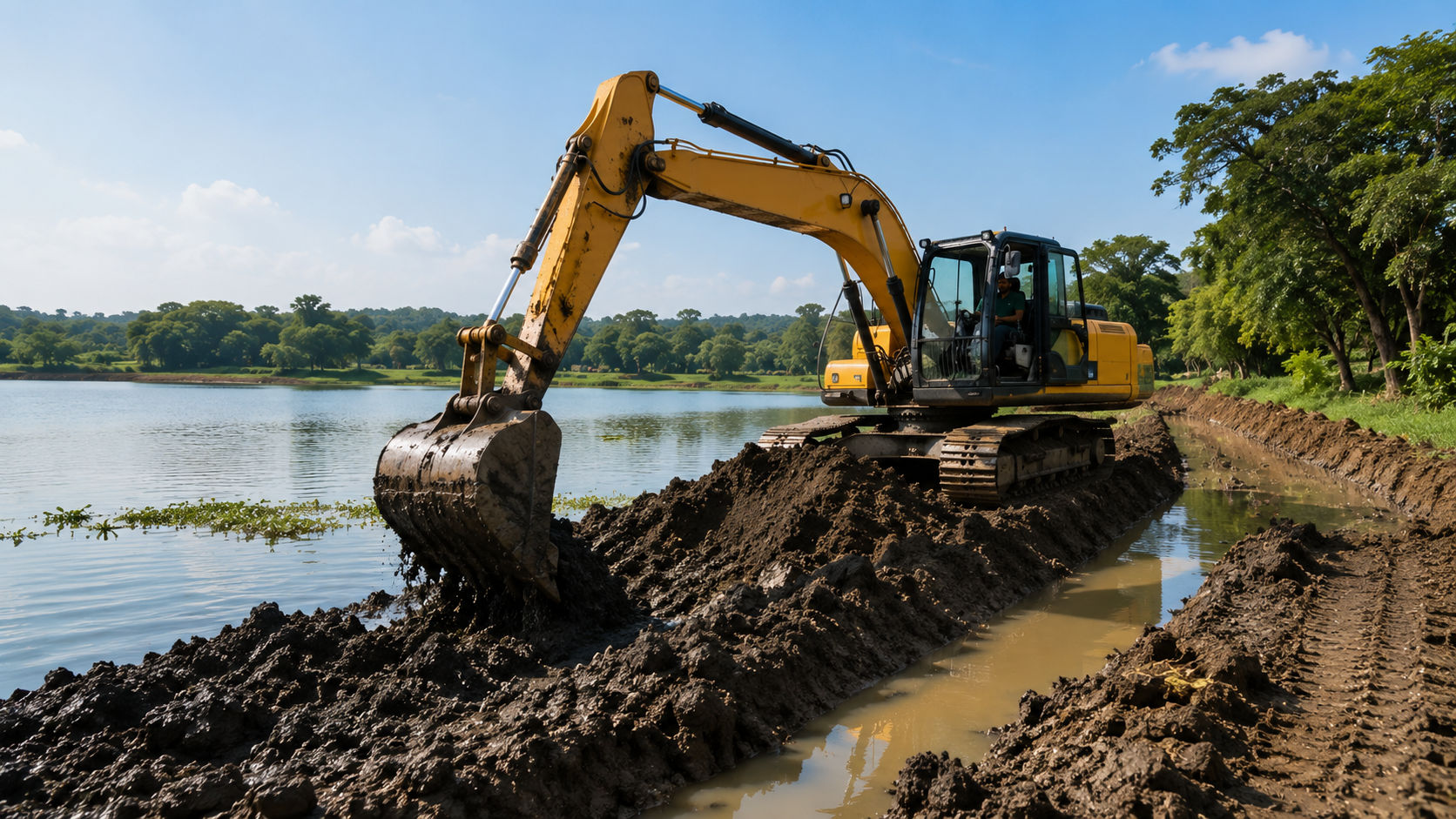
Desilting, bund strengthening, pole relocation, inlet and outlet restoration, and revival of traditional water channels.
Ecological Impact
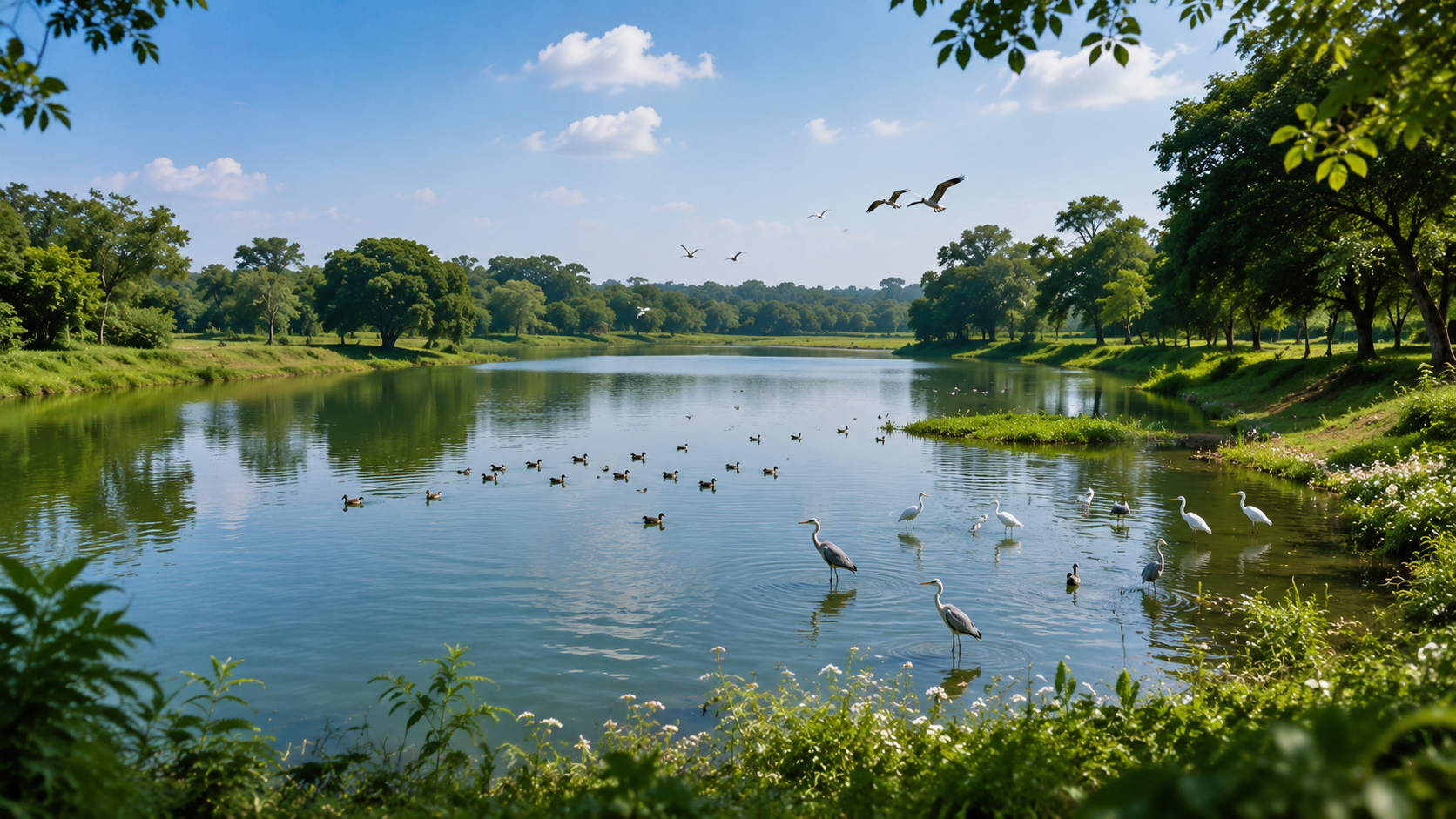
Improved water retention, increased groundwater levels, return of birds and biodiversity, and the growth of a greener ecosystem.
The rejuvenation of Sadahalli Lake has created lasting environmental and community benefits across the surrounding region.
Topographical surveys and silt assessment
Miyawaki forest and native plantation drives
Relocation of 45 electric poles from the lake bed
Restoration of inlets, outlets and Raja Kaluves
Desilting, bund strengthening and lake development
Community mobilization and awareness programs
Uganwadi, Singarahalli, Sadahalli, Kannamangala, Hosahalli, Kempathimmanahalli, Kempapura and Devanahalli.
Working together with institutions, communities, experts and responsible organizations to create meaningful environmental impact.
Rural Development and Panchayat Raj Department supporting institutional coordination and public participation.
Residents, village representatives and volunteers contributing knowledge, participation and continued stewardship.
Ecologists, technical specialists and social organizations guiding scientific restoration and environmental awareness.
Responsible organizations and supporters enabling plantation, infrastructure, outreach and long-term environmental impact.